Showing posts with label Reading. Show all posts

Tuesday, 24 November 2020

Week 9 Reading and Writing

"Review Week"

Looking Back:

When we started this module and I saw that each week we would have to read articles, I wasn't really up for it, I thought all the readings would be about things I found boring, like academic studies or game theory, which was all boring and horrible for me to read at the time. Now that we've gone through eight weeks of this module, what was boring to me then, is not anymore. Just like anything else, there's some readings I enjoy more than others, but then, there's more than I hate than anything else!!.

Right before we started the college year I got into reading mental well being books, or books that are about training your mind, or how to develop different mindsets, books that I really enjoy. As we started the reading tasks, there were a few that I hated, but then we got told that we'd being doing readings on mindsets, that got me excited to do these tasks, because I never thought that's the kind of reading we'd be doing, it never crossed my mind.

From then on I got excited to do the reading tasks because there we a lot of options to choose from, and a lot of great ones. My favourite reading we've done to date would have to be the growth mindset reading task, and it was the second reading of the whole semester, I think that's what got me excited about this module without those readings I would have lost interest at the beginning.


Image Source: wikimedia

This is the first image from the reading tasks about a growth and fixed mindset reading we did in week 2, the time has gone so fast I can't believe it. Hopefully the remaining weeks don't go by too fast, got work to do!!.

Looking Forward:

Looking forward, something I want to make sure I continue to do is, simply read more. I used to hate reading but the more I read, the more enjoyable it becomes and I think the more you read you can concentrate on doing tasks more, and that helps get work done quicker, which is something that I like so I have more time to do things that don't relate to college.

Since the start of this module, thanks to all the reading and typing and reading more and more articles than I ever thought I would I've started to start writing down how my day's are going or what my daily goals are, some of the readings said it's a good way to reflect so I started doing that. Which is something I enjoy doing, it's not like these blog posts where I have to mentally prepare myself for about 20 minutes before I start.

Overall I think doing all the reading tasks each week has helped me with my other modules this year, not directly or helped with one more than the other, it just makes reading easier so things get done quicker and you understand more. Reading just has positive effects on other things, don't really know how to describe it perfectly, but, it just does.

Monday, 9 November 2020

Games Decisions

 "Game Decisions"

The reading for this week was focused on how the design of games can decide if a player will enjoy the game and come back, or get bored quickly and leave the game. It focuses on keeping things basic so people know what to do and they don't fall into either bored, causing them to leave, anxiety because it's to difficult or the flow state, being there given a challenge to complete with instructions and the tools to complete the task. 

The flow state is what every game developer wants to create within their game, getting players into a flow state will give the players an incentive to keep playing because. they won't want to stop when their moving up level by level. The flow state can depend on who the players interacting with, whether it be a new player or a vet in the game. I f the player keeps winning because the other player is new to the game , that player will become bored and leave, if the opposite player is a the same level or better that's when the players will enter the flow state, which will lead them to play the game for hours on end not realizing where all the time went.


From reading the academic study provided in this weeks reading, we have found out that the flow state is good to get things done, but when it comes to spending hours on end, most days of the week there can be very negative impacts on those players lives. The study focuses on Thai children, the studies found that 2.5 million thai children had a game addiction problem. I also states the a high number of children in the U.S also suffer from game addiction along with Australia. It found that in  South Korea a death was caused by acute heart failure due to 80 hours of continues game play.  

Below are links to good articles that help you understand more about the flow state and how it plays part in successful games.

Link 1: https://medium.com/@raydaz/the-applications-relevance-of-flow-state-design-in-video-games-1572dac0d2c

Link 2: https://www.gamasutra.com/view/feature/166972/cognitive_flow_the_psychology_of_.php

Link 3: http://www.strategy.rest/?p=1676

Monday, 2 November 2020

Games GDD

 "Games GDD"

What is the GDD for?


A Game Design Document (GDD) is a blueprint for the design and development of a game.

The GDD is a way of being creative and documenting the approach to the development of the game. Gonzale (1999) states that “ the important thing is to have something that describes your game project (or any other project for that matter) before jumping into production.( Gamasutra ) It should help to plan out your game. Though it is recommended that the GDD should be short it needs to be detailed enough so as game developers and artists can coordinate the development of the game independently whilst still keeping to the design. 

The GDD is a blueprint for how the game is going to be designed and built, similar to a mind map. In conclusion, the game design document is vital to making a game and it is important to have in order to describe your game project.


How do we make one?


There are a variety of tools that could be used to create a GDD. These include word processing tools, visual tools like Powerpoint, or new web-based tools such as DunDoc. Each of these tools has their advantages and are a personal choice. Many of the examples shared via the internet are in Microsoft Word format. Romero Games(creators of Doom) favour a more visual tool such as PowerPoint. Whichever tool is used they should support the development of the game in an open and transparent manner.


Image Source: Pintrest


What should be in it?


The GDD should be simple enough to read through details about your game design and concept. Schubert (2007), who was at the time lead designer for Bioware Austin, gave a GDC talk in about how to create design documentation, some of the most relevant elements include:

  1. Know your target.- Have a clear vision and understanding of what you want to make. Make sure your game is suitable and fits your target audience.

  2. Keep it short.  Keep it to the point and clear, the shorter they are, the easier it is to read, write, and maintain.

  3. Prioritize the design.  - Divide your game in order of importance e.g have a functional game. Concentrate on core mechanics and visuals, and then expand 

  4. Illustrate. - Draw sketches of your plans that make it easier to structure and implement. Present what your game would look like as it’s important to have a clear idea of the visuals before you begin creating.

  5. Use user stories.- Describing the game through the player’s vision (Similar to what we did in the game vision statement).

Take into account the games users, their ideas may help develop future storylines or ideas.

  1. Invest in a good format. Take the time to structure your work so that it is easy to navigate.

  2. Use clear terminology. Don’t over-complicate the document. Make sure language is concise and accessible.

  3. Kill redundancy.  -Recycle your code - use variables, not hard code). Always reference the new section on your page to have a clean document. Avoid copy and pasting sections.

  4. Capture your reasoning - why did you make the choices you made? What led to that thought process?

References

Nachen, Lennart. 2014 Communication and Game Design Documents accessed 02/11/2020 http://acagamic.com/game-design-course/communication-and-game-design-documents/

Ferns, Shaun (2020) Readings Week 06 accessed 02/11/2020 https://cdmonline.ie/multidev1/reading-week-06/ 

 Gonzalez Leandro. 2016 How to Write a Game Design Document accessed 02/11/2020 

https://www.gamasutra.com/blogs/LeandroGonzalez/20160726/277928/How_to_Write_a_Game_Design_Document.php


Monday, 19 October 2020

Games MDA

 "Games MDA"

Each week I prepare myself for more reading, when that time comes around I tell myself I'm prepared, but I'm not, this is mainly because what I'm reading is new to me. Game design and development gets more in-depth each week, as I start to wrap my head around what we researched last week, my brain gets left hooked with more in-depth information about the next stage of developing a game. This week we had to read about "Games MDA", which stands for Mechanics, Dynamics and Aesthetics. The two articles to read were both very long, so getting through them both took me a while, I find it hard to concentrate.

Both articles went very in depth into what Mechanics, Dynamics and Aesthetics meant. One of the biggest things that was repeated through both articles and the provided YouTube video on the "cdmonline" site was that no of them work without the other, they all need each other to function, if not it's back to the drawing board and you will have to start from scratch. The video explained it very well, other than the mans voice was a bit hard to understand. He said that the mechanics will directly effect the games dynamic, which will in had play a part in the games aesthetic. In the video he made a point about horror games that sums up the whole message of the MDA frame. He said if the horror game is not scary enough, you can't directly create scariness by changing how the player feels during game play, you have to go back to the basis of the game and re-think how the mechanics are interlocked together with the dynamics and how that translates to the aesthetics, which will in had change how the player feels.

From the reading and watching this week, it made me start thinking about how I want the player to feel during game play because then I will now how to design the mechanics and dynamics to how the game should make you feel, which was a completely different approach to the one I was planning on taking, I was just going to jump straight in to how it worked without thinking about other factors and how they would effect the final product.   


Image Source: Gamasutra

I'm going to leave three links to websites that can help you understand the games MDA frame work, and just links that I find informative for the topic we are doing currently.

Link 1: https://www.gamasutra.com/blogs/LuizClaudioSilveiraDuarte/20150203/233487/Revisiting_the_MDA_framework.php

Link 2: https://medium.com/swlh/applying-the-mda-framework-for-video-game-design-to-productivity-8329115ce30f

Links 3: https://gamedevelopertips.com/mechanics-dynamics-aesthetics-game-design-theory-behind-games/


Monday, 12 October 2020

Learning About Game Elements

 "Game Elements"

Prior to this weeks reading, after completing last weeks research on gaming I knew how complex and time consuming building a game was, however after reading this weeks reading it broke down all the elements of designing and developing game into even more sub-sections, that makes you aware of the time that is to be dedicated for the early stages of game development. The first section of the allocated reading broke down the sections very well to understand what each stage in the process of developing a game is.

From the reading I've learned that the qualities of the game are what make the game what is is. I learned that creating the players isn't as simple as just coming up with names, then straight to design, no, it's choosing is it a multi player game, single player, multiple players against the system or free-for-all, which send the developers down multiple avenues to decide how the game will be played which can be extremely, which can make or break a game, being if it's best suited for single player ore multi-player mode. Then things such as the games goals have to be decided, which can change depending on the player scheme. Then you have to discuss the games theme, the state of the game, being all the data recorded during certain game play, sequencing, player interaction, and resource management.
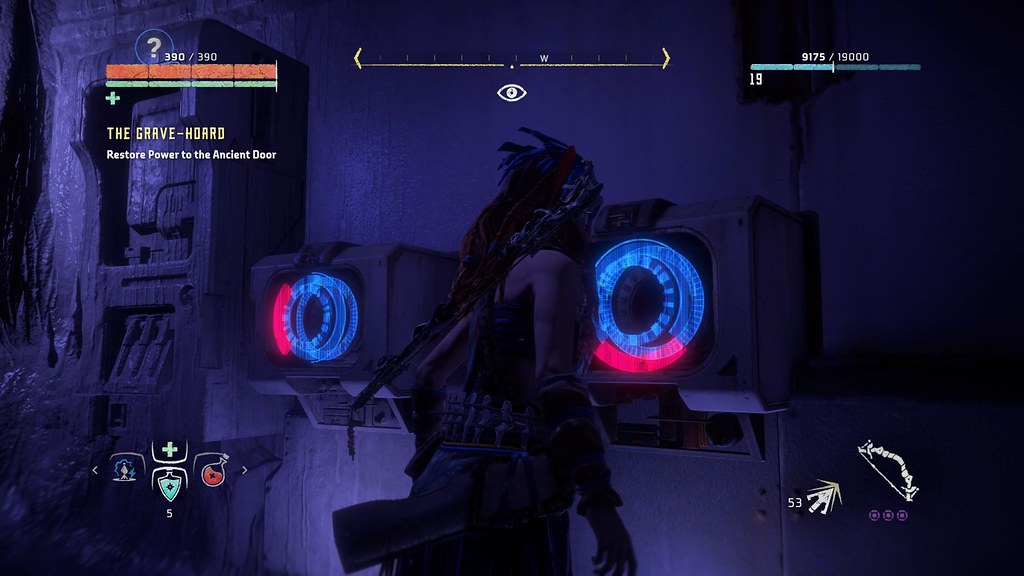


Image Source: Flickr


After going through some of the reading, I came to a section on "critical analysis", before reading this section when I heard critical and analysis I shied away from them because, commonly that means paying attention to the faults or mistakes made in an almost finished or finished projects or task. From this reading in the world of game design and development I learned that's not all it seems to be. It's not looking at the game and saying that's all wrong, it's an unbiased over look at the product, in this context, that being the game.

I've learned before I start trying to jump in and design some basic game layouts and elements is to take my ideas and thoughts for my game to paper prior to my laptop, which before I would have laughed at.
In a provided video two game developer said that bringing the idea to paper is just one of many steps, they then start to use real life objects and activities to gain inspiration for how they want there game to be played and how the layout can be interchangeable. All these task surprised me and took away a fear of the beginning steps of the game development process. 

Below I'm providing some helpful and informative links that relate to the processes that I've written about in the above blog post, which I hope you viewers fins somewhat helpful.

1. "The Game Development Process" 
 https://www.cgspectrum.com/blog/game-development-process
2. "Essential Stages of Mobile Game Development"
  https://medium.com/@vivekshah.P/8-essential-stages-of-mobile-game-development-9c0d3399357f
3. "Pre-Production" By Juego Studies pre-production process:
  https://www.juegostudio.com/pre-production
     

Friday, 2 October 2020

What I Learned about Game Design

 Game Design:

First of all before reading the articles we were given to read this week, I've always had respect for game designers I wasn't blind to the fact that the job was not difficult, or was a person who say "Stop complaining, you only play on your computer all day". But after reading those articles and studies I have more respect for game designers than ever. What I got from "What is A Game Anyway" was that everyone has a different opinion on what's a game or what isn't, like the ongoing argument that dance isn't a sport, I never didn't say scrabble is a game, Grand Theft Auto is not. I think anything that makes you think or challenges you is some sort of game, or as it says in the article, " it' within a game".


After reading the study on the ideation of game creation, I realized that a lot of game designers have the same or not similar routines to other creatives such as actors, screenwriters and directors. However, most people wouldn't put the best game designer on the same level as an award winning director because they don't know the process. From reading how these people come up with ideas, like their brainstorming, just getting in the shower and hoping  for and idea or having brainstorming sessions make me want to see how I can text my creativity and see what ideas I can come up with, whether I'm just standing in the shower or just out for a walk. Also, it seems like a carrier that if you had a very creative and wild childhood, it would be an advantage to your work but would be great to always try and remember t he fun times you had a a child to build a career.

The last article was good in different ways as it gave you the tools to be creative and come up with ideas, rather then being told what others have done. Listing what you can do under each ideation strategy was good to read, explain  different methods to expand your mind to come up with something new is something you can do for any industry not just the gaming, or "new" industry. The Ramsey method was something I've never heard of but seems very interesting and I'd love to learn more about it, it's basically becoming obsessed with something until you realize something new or find links connecting it with something you've already known or something similar.

Thanks for reading, hope you liked me talk about something I don't know much about, until next time, Peace!!!, here's the link to the photo..

Reading 10-"Doing"

 "Reading week 10" For this week reading task we had to work on the e-book or digital book the entire year group is working togeth...